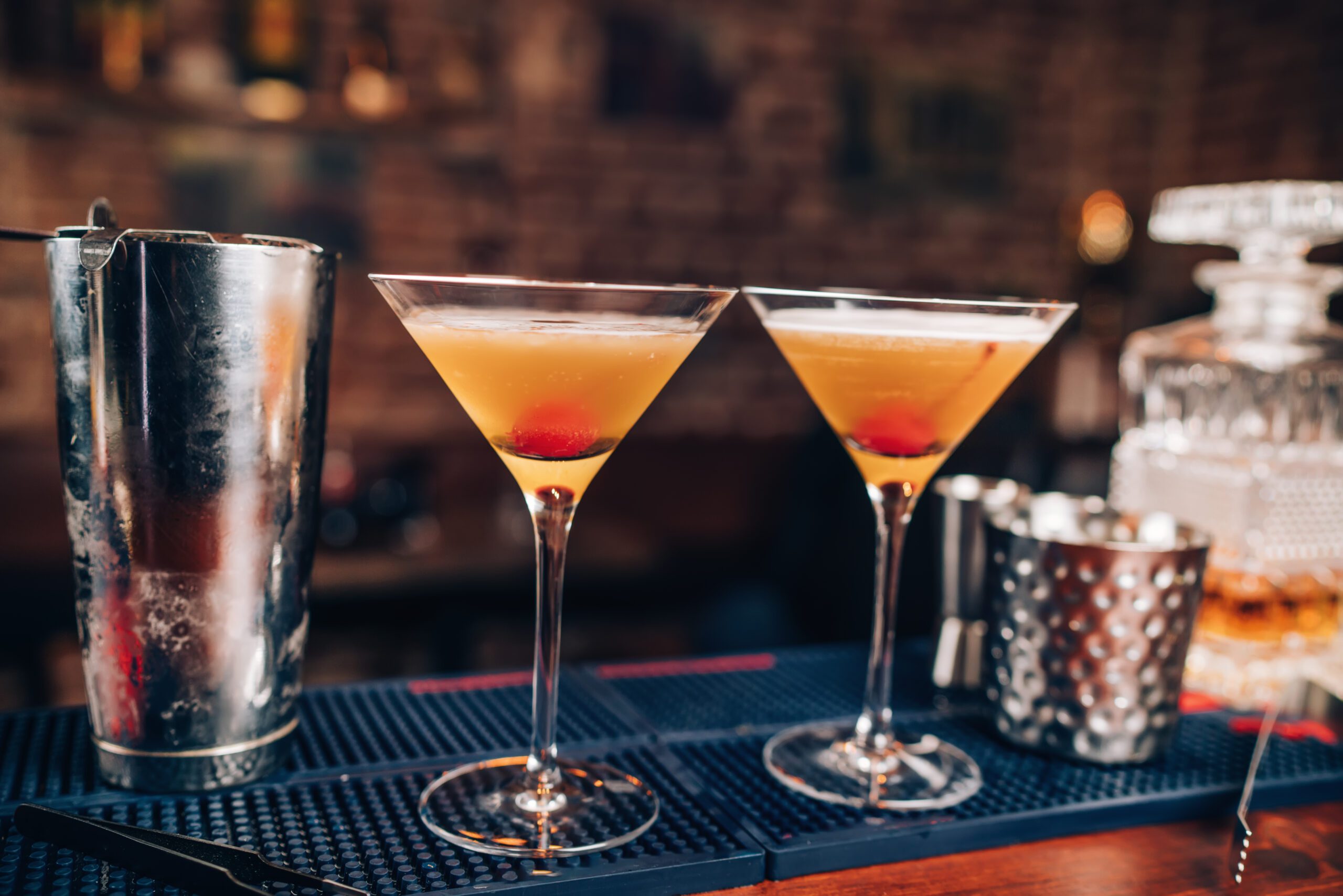
For many, one or two alcoholic beverages doesn’t even count as “drinking”. It’s just a glass of wine with dinner, a pint at the pub, a tipple to signal the end of the day. It’s baked into self-care rituals, weekend plans, work socials, and “I deserve this” moments.
Culturally, ‘a couple drinks’ is considered the sweet spot. It’s definitely not excessive, not abstinent, it’s just normal. But that normalisation makes it easy to believe that a drink or two is harmless (or even beneficial).
But as you’re likely already aware, it’s not!
This article isn’t here to preach sobriety or tally your sins. It’s here to explore what those “just a couple” drinks actually do to your health behind the scenes. Because if you’re trying to sleep better, reduce inflammation, clear your skin, or feel sharper, it’s crucial to understand the trade-off.
What Alcohol Actually Does After 1–2 Drinks
Let’s see how even low levels of alcohol can begin to impact your physiology the moment you consume them.
Straight away, your liver starts working to metabolise ethanol, slowing down other detox processes in the body.
Alcohol acts as a central nervous system depressant, dampening your brain activity, particularly in the prefrontal cortex, the part of the brain responsible for impulse control and decision-making. That’s why, after a couple of drinks, you’re more likely to overeat, cancel your morning workout, or pour a third glass.
Sleep takes a hit too. Alcohol may make you fall asleep faster, but it disrupts REM sleep and suppresses slow-wave (deep) sleep. As a result, you wake up feeling tired, foggy, or irritable, even if you were in bed for eight hours.
Then there’s your skin. Alcohol causes mild vasodilation (widening of blood vessels) and dehydrates your body, leading to dullness, puffiness, or breakouts, especially if you’re prone to sensitivity.
On the metabolic side, alcohol alters glucose metabolism and blood sugar regulation. Pair that second glass with dessert or salty snacks, and you’re adding fuel to the blood sugar rollercoaster that leaves you crashing later.
And if weight loss or performance is your goal, here’s the kicker. Your body prioritises metabolising alcohol over everything else, including fat burning, muscle recovery, and nutrient absorption. That means if you have a workout that day (or even the day after), your body’s recovery and repair processes are dialled down while it clears out ethanol. It’s not catastrophic, but it does interfere with progress.
The Cumulative Effects on Inflammation, Sleep, Gut, and Hormones
The issue isn’t just immediate effects on the day itself, when even moderate drinking becomes a regular pattern, the effects start to compound.
Inflammation
Even low levels of alcohol have been shown to raise markers of inflammation like C-reactive protein (CRP). Chronic low-grade inflammation is a key contributor to ageing, fatigue, skin issues, and almost every chronic disease.
Gut Health
Alcohol weakens the gut lining and disrupts your microbiome (the trillions of bacteria that regulate digestion, immunity, and even mood). It can increase intestinal permeability (aka “leaky gut”) and reduce microbial diversity, both of which are linked to systemic inflammation and bloating.
Cortisol & Stress
Ironically, though alcohol initially reduces cortisol (your primary stress hormone), it causes a rebound spike later (usually during the night), leading to broken sleep and increased anxiety the next day. You think you’re winding down, but your body’s stress response is gearing back up.
Hormonal Balance
Alcohol interferes with oestrogen and testosterone levels, as well as hunger and satiety hormones like ghrelin and leptin. That means you’re more likely to feel hungry, eat poorly, and recover less effectively.
The French Paradox (and Why It’s Mostly Debunked)
For years, the idea that moderate red wine consumption protects the heart, the so-called ‘French Paradox’, was held up as a reason not to worry. But newer research paints a different picture.
Large-scale meta-analyses have shown that any level of alcohol consumption increases the risk of stroke, breast cancer, and cognitive decline. As it turns out, the health benefits observed in wine drinkers were likely due to confounding factors, like the Mediterranean diet, strong social bonds, and more active lifestyles. The antioxidant resveratrol in red wine? You’d have to drink litres to match the amounts used in studies, and in any case, you can find it in grapes, blueberries, and dark chocolate.
Enjoy Drinks with Friends but Use Habit Design to Remove the Truly Unnecessary Glasses
To be clear, this article isn’t supposed to be a call to never drink again. It’s a call to drink deliberately, and one of the best tools for achieving that is habit design.
Start Small, Start Tiny
The trick to changing any habit is to start small. Identify your low-hanging fruit, those are the drinks you won’t miss and will be the easiest to cut out. For example, that Tuesday night pour out of boredom, the automatic G&T while cooking on a Thursday, the beer drunk alone watching TV after the family have gone to bed, these are the easiest drinks to remove and sometimes the ones that make the biggest difference.
Create Friction
Another excellent technique is to create friction with the habit you are trying to remove or reduce. In this case, put up barriers that make casual drinking a hassle.
- If you drink at home after work, leave the house, go to a yoga class, walk the dog, go food shopping, or run an errand.
- Simply don’t buy alcohol to keep in the house. You can still run out and buy a 6-pack or bottle of wine on a Friday night, but you’re much less likely to indulge on a random Tuesday.
- If you must keep alcohol at home, don’t put it in the fridge or leave the corkscrew in the shed. Do whatever you can to add a bit of extra effort or ‘cooling off time’.
Replace, Don’t Just Remove
You want to avoid thinking you’re giving something up; that feels depressing. Look for opportunities where an unnecessary drink could be easily replaced with something else that is equally enjoyable.
- If wine is your evening unwind cue, swap in a ritual: take a bath, light a candle, make a fancy mocktail, or sip herbal tea in a wine glass.
- Explore the growing range of non-alcoholic wines and beers, many taste excellent and help maintain the habit without the hit.
Shift Your Identity
This one feels like a bit of a cheap trick, but it is an extremely effective technique.
Start to actively change your self-identity when it comes to alcohol with positive self-talk. Rather than talking about yourself as a person who drinks to relax, start expressing yourself as a social drinker, not a habitual one.
Just think (and say) to yourself throughout the day: “I’m someone who enjoys a drink with friends, but I don’t need one to relax.”
Even if you don’t fully believe it at the start, that shift in mentality will grow, especially when paired with new behaviour.
Whatever techniques you follow, the ultimate goal is intentionality. When you design your environment and routines around choice, not autopilot, drinking becomes something you enjoy mindfully, not something that slides in by default.
You Don’t Have to Quit, Just Be Honest About the Impact
A couple of drinks here and there won’t ruin your health, but keep in mind that they also aren’t neutral either. They affect your sleep, your skin, your energy, your gut, and your long-term wellbeing.
If you care about how you feel, how you age, how you show up in your own life, then it’s worth being honest about what “just a couple” really does.