

So you’ve made the big decision to get serious and finally lose that extra weight you’ve been carrying around. You want your clothes to fit better and you want to look like you did a few years ago. So you start eating better, exercising more, and making healthier choices throughout the day, but somehow, the results just aren’t showing up. It doesn’t make sense. While you haven’t been 100% perfect (I mean, who is right?), you’ve still made an effort, but here you are, exactly where you were three weeks ago…
If that story sounds familiar, you’re far from alone. It’s frustrating when you’re making an effort and not getting anywhere. But you’ll be surprised to know that most diets don’t fail because of a lack of willpower, they fall short due to small, hidden habits that add up over time. The things we don’t notice are usually what hold us back. Subtle saboteurs can derail even the most well-intentioned plan, and they’re especially hard to see because they’re not always big, dramatic falls from grace; they’re seemingly invisible routines.
In this article, we’ll uncover three of the most common habits that quietly sabotage your diet, explain why they happen, and show you how small shifts in awareness can make a big difference to your results.
1. Drinking Your Calories
Liquid calories are particularly sneaky. Many dieters either fail to account for them or vastly underestimate their impact, especially since they don’t feel like real food.
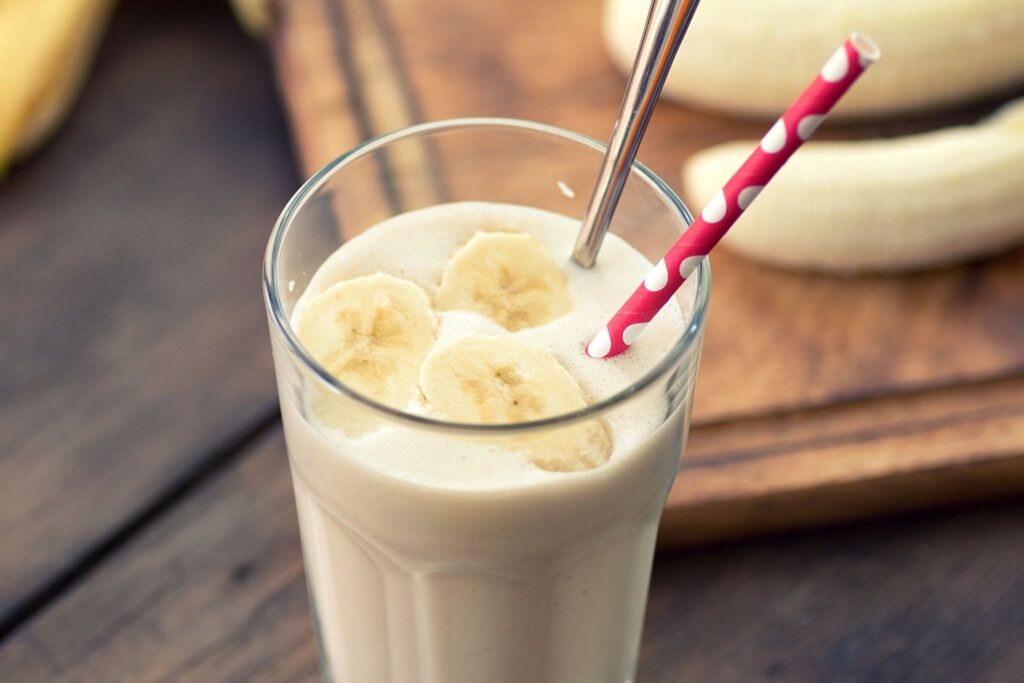
For example, a “healthy” smoothie can contain anywhere from 200-600 calories, a latte may contain 150-300 calories, and even a glass of juice can contain 120 calories or more. Combine a few of these drinks throughout the day, and you’ve added hundreds, if not thousands, of unnecessary calories.
And the calories from drinks are not like those from solid food. Food takes time to chew and digest, while liquids pass through your system quickly. They don’t trigger the same fullness signals in your brain, meaning you can easily consume a meal’s worth of calories and still feel hungry an hour later. Very few people “compensate” for liquid calories; they simply eat the same amount later, on top of what they drank.
Let’s consider a completely normal day for most people. A morning latte and a fresh fruit juice (no fancy syrups or anything) could clock in at over 300 calories, a soft drink (even a seemingly healthy fruit drink) in the afternoon could add another 150, and a large glass of red wine at dinner adds 200 more. That’s a relatively tame day by most people’s standards, yet it’s added approximately 650 calories, which is enough to wipe out a moderate calorie deficit for the day altogether. Now imagine the damage done if our dieter succumbed to the temptation of a caramel frappe latte and a couple of beers after work.
The point isn’t to demonise your coffee or forbid a glass of wine, but it’s to understand their impact. Drinks can be enjoyed, but they need to count just as much as food does. So if you want to keep progress moving, try these minor tweaks:
- Stick to black coffee or unsweetened non-dairy versions most days.
- Treat higher-calorie drinks as intentional indulgences, not everyday habits.
- Be extra mindful with alcohol, smoothies, and juices.
When you stop letting calories slip in through your straw, your diet becomes far easier to manage.
2. “Healthy Grazing”
There’s absolutely no shame in falling for this one, as every dieter has succumbed to the trap of “healthy grazing” at some point in time. The healthy grazing trap is when you mindlessly consume a significant number of extra calories from seemingly healthy snack foods.
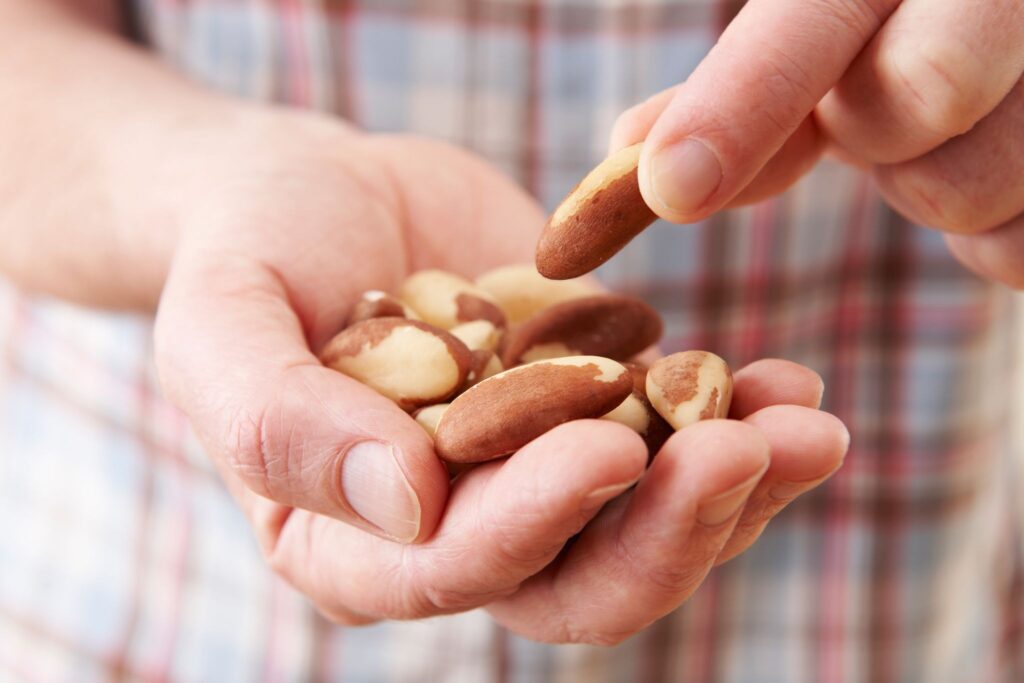
Let’s say you eat a handful of almonds at 10.30 AM, have a spoon of peanut butter after lunch, sip on a protein smoothie in the late afternoon, and nibble a few crackers with hummus before bed. These are all great choices individually, but if you add them up, you’ve eaten the equivalent of a full meal (or two) without ever feeling like you did.
This is one of the biggest reasons people stall despite “doing everything right.” When foods are marketed as healthy (think about labels saying high-protein, organic, natural, plant-based), we subconsciously permit ourselves to eat more of them, and suddenly, your calorie deficit for the day is gone.
Like the first habit, the problem isn’t the food itself; it’s awareness of the calorie intake. Healthy doesn’t automatically mean low-calorie. The truth is, many nutritious foods can significantly contribute to weight gain when portion sizes aren’t taken into account (avocados, olives, nuts, etc.). Of course, that doesn’t mean you should start weighing every almond or tracking every bite … that’s no way to live. Instead, your goal should be to develop a general awareness of how calorie-dense certain foods can be, especially the ones we tend to snack on mindlessly.
A simple rule of thumb: treat snacks like mini meals. Sit down to eat them. Maybe portion them out once or twice to get an idea of the calorie intake, and then enjoy them intentionally going forward. Once you stop grazing on autopilot, you’ll likely find your results start moving again without changing much else.
3. Not Prioritising Sleep
When you’re trying to lose weight, sleep probably isn’t the first thing that comes to mind. After all, what does lying in bed have to do with fat loss? Well, the answer is more than you’d think!
The hours you spend asleep influence almost every system involved in appetite, energy balance, and recovery, so cutting corners on rest can make your diet feel impossible.
One of the most significant problems of skipping sleep is your hormones. When you sleep less than six hours, your body produces more ghrelin (the hormone that makes you feel hungry) and less leptin (the one that tells you you’re full). A landmark study published in PLOS Medicine found that participants who slept five hours a night had 15% higher ghrelin and 15% lower leptin levels, making them hungrier and less satisfied after meals. In plain terms: less sleep means stronger cravings, especially for quick-energy foods like sweets and refined carbs.
Now add insulin to the mix. Sleep deprivation makes your cells less responsive to insulin, the hormone that moves sugar from your blood into your muscles for fuel. When this system falters, sugar lingers in your bloodstream and your body responds by storing more of it as fat (particularly around the abdomen). In fact, research shows that after just six nights of four-hour sleep, insulin sensitivity dropped by up to 40%, mimicking the metabolic state of prediabetes. That means even if you’re eating the same foods, your body literally handles them differently when you’re tired, burning less and storing more.
Finally, a poor night’s sleep blunts motivation and increases fatigue, making workouts feel harder and recovery slower. You’re also more likely to skip exercise or reach for comfort food simply because you’re tired. The less you sleep, the more complex every healthy habit feels.
Think about how this plays out in real life:
You wake up groggy after a stormy night’s sleep, hit snooze twice, and skip breakfast. By 10 a.m., you’re starving, so you grab a pastry and an extra-large coffee to get moving. Lunch feels like survival, so you overeat, and by mid-afternoon, you’re crashing, leading to another caffeine hit or sugary snack. Dinner turns into comfort food, and your motivation to work out vanishes. Each little decision makes up the inevitable cascade that happens when your sleep-deprived brain is trying to self-medicate with food and energy.
Ultimately, you can still eat perfectly and train consistently without adequate sleep, but your body resists your efforts … and let’s face it, most of us need all the help we can get! So think of sleep as the foundation of fat loss, the quiet eight-hour window that resets your hormones, repairs your muscles, and restores your willpower. Skip it, and even the best diet plan becomes a daily battle.

The Takeaway: Consistency Is Key
Taken in isolation, none of the behaviours we’ve discussed in this article is terminal to your diet. A handful of nuts, an occasional morning latte, or a single bad night of sleep is not going to ruin everything alone. However, repeating each of them too many times will undo all the hard work you’ve put into other areas.
If you take one lesson from this article, it should be about the power of consistent habit-driven behaviours to enhance or derail your weight loss efforts. After all, losing weight isn’t just about making huge sacrifices; it’s about how the small decisions add up, which is precisely the focus of our popular eBook, the Metabolic Reset Protocol.
Many people struggle to lose weight because they try to overwhelm their bodies with extreme diets and exercise programmes. They generally get away with this approach in their 20s, but it becomes increasingly less effective (and unsustainable) with age.
Meanwhile, the Metabolic Reset Protocol focuses on working in harmony with your body. It takes a gentle approach that optimises your metabolism, mindset, and lifestyle to make weight loss feel so easy that it practically happens on autopilot. If you’re over 35 and struggling to lose weight, consider giving the protocol a try.