
Most people know they should eat more fruits and vegetables, but actually doing so is another story. It’s easy to reach for chips, cookies, or whatever processed snack is within arm’s reach, while fresh produce often gets forgotten, only to go bad in the fridge.
The problem isn’t a lack of knowledge, after all, everyone understands that fruits and vegetables are healthy. Instead, the biggest issue is convenience! We tend to eat what is most visible, accessible, and easy to grab.
Fortunately, there’s a simple trick that’ll help you eat more fruits and vegetables, and it has nothing to do with meal plans or willpower.
The Science of Convenience & Habit Formation
Humans are creatures of habit, and when it comes to food choices, we tend to go for whatever is easiest and most visible.
Research shows that the foods we keep in plain sight significantly impact our eating habits. A study from Cornell University’s Food and Brand Lab found that people who kept fruit on their kitchen counters weighed less than those who had cookies, cereals, or sugary snacks within reach.
Think about the last time you bought fresh fruit or vegetables with good intentions, only to let them waste away in the back of the fridge. It probably wasn’t a case of not wanting to eat them; after all, you initially made a conscious decision to buy them in the first place! The problem was that they weren’t visible or convenient when hunger struck.
This is why visibility and accessibility are the keys to eating more fruits and vegetables. By placing them where you naturally look for food, you increase the likelihood that you’ll choose them over processed snacks. Additionally, snacking on healthy fruit and vegetables throughout the day will help prevent your hunger from becoming so intense that you are tempted to overindulge in junk food later.

Practical Strategies to Eat More Fruits & Vegetables
Keep Fruit in Plain Sight
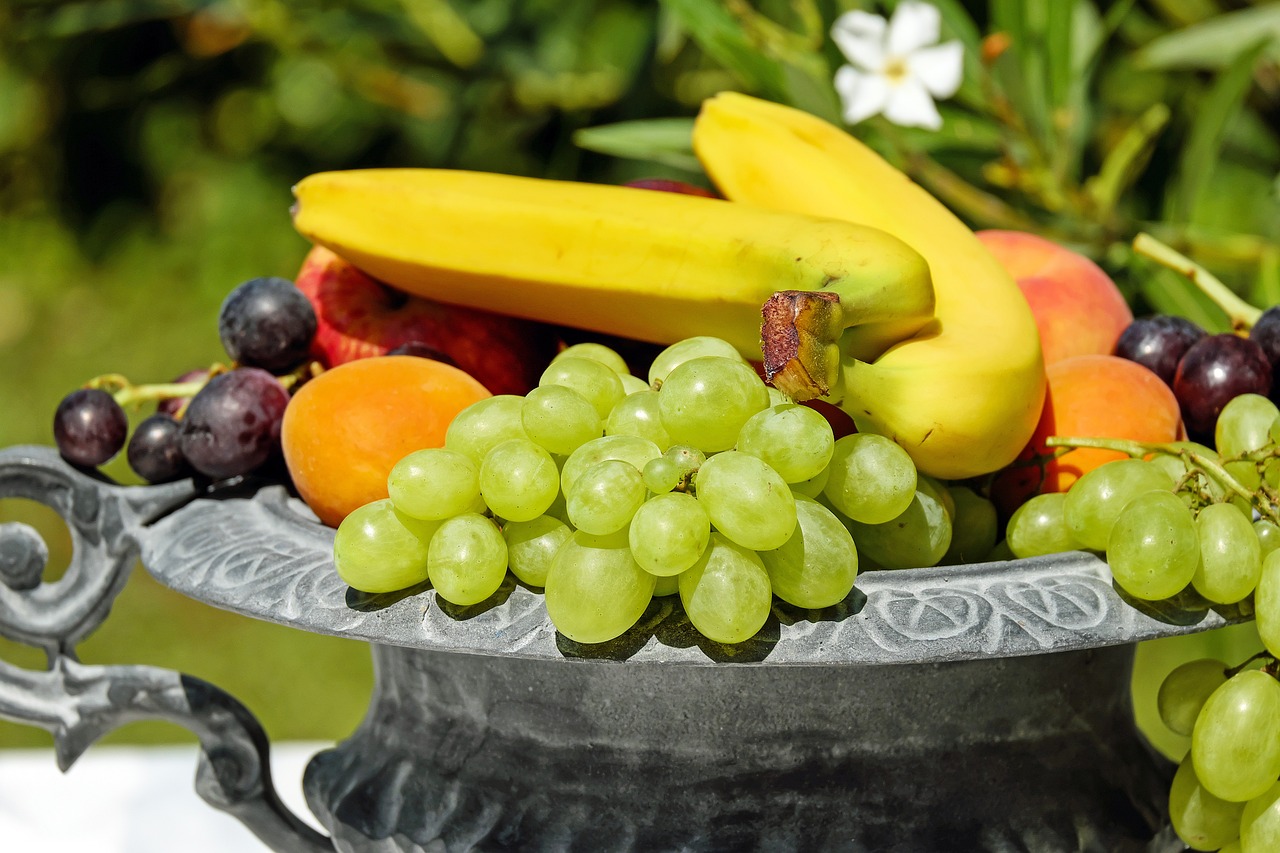
Keep a fruit bowl on your kitchen counter or dining table where you’ll see it multiple times a day. If you’re worried about fruit spoiling, a simple trick is to leave out just a few pieces at night before turning off the kitchen lights. By stacking this habit with an existing one, like shutting down the kitchen, you’re less likely to forget!

Make Veggies Easy to Grab
Unlike processed snacks, many vegetables require washing, peeling, or chopping before you can eat them. This extra step often makes them an unappealing choice when you’re hungry and in a hurry.
The best solution to this problem is to prepare them in advance!
- Pre-cut cucumbers, carrots, and bell peppers, then store them in clear containers at eye level in the fridge.
- If you prefer zero-prep options, stock up on mini cucumbers, cherry tomatoes, sugar snap peas, or baby carrots. All of which can be eaten straight from the fridge.

Hide Unhealthy Snacks & Make Them Harder to Reach
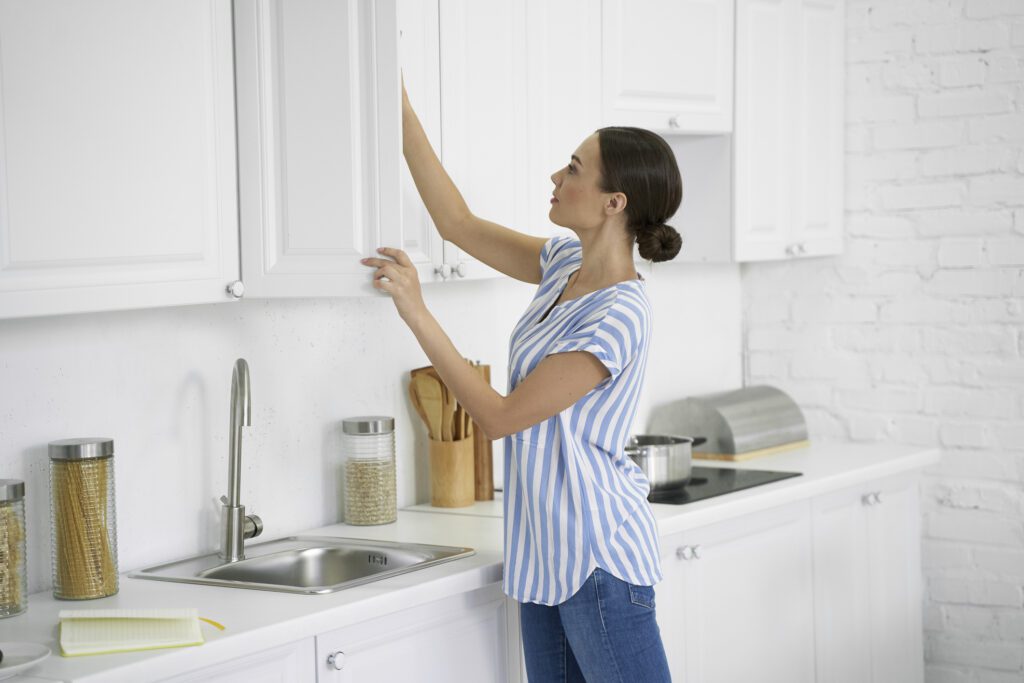
Just as making fruits and vegetables more visible increases the chances of eating them, making unhealthy snacks less visible reduces temptation. If you usually store chips, cookies, or candy in an easy-to-reach place, move them to a back cupboard or even a separate room.
Remember, the goal isn’t to ban junk food. It’s not forbidden. Instead, your goal is to introduce friction so that when you do reach for it, you have to pause and think about the decision.
Stack the Odds in Your Favour
Perhaps you don’t need to force yourself with willpower to eat more fruits and vegetables; you need better food placement. By making them visible, convenient, and easy to grab, you naturally increase your intake without forcing yourself into a restrictive diet. Try it today: move your fruit bowl, prep your veggies, and reorganise your fridge. A few minor tweaks are all you need to significantly improve your eating habits!