
Quick summary – You don’t need a workout plan to stay active. NEAT (Non-Exercise Activity Thermogenesis) refers to the small movements you make throughout the day (such as walking, fidgeting, or doing housework) that can burn hundreds of extra calories without you even noticing. This article explains why NEAT matters and offers practical ways to increase physical activity daily, without altering your schedule.
Modern life has made us more sedentary than ever before with many of us spend hours sitting at desks, commuting in cars, and unwinding in front of screens, barely realising how little movement we get throughout the day. In contrast, our ancestors were constantly on the move, whether they were walking, foraging, working, or performing physical tasks throughout the day. Their lifestyle required full-body engagement, and they naturally burned far more energy than the average person today.
As a result, many of us struggle with a sluggish metabolism, low energy, and creeping weight gain. When people think about increasing their activity levels, they often assume it means spending hours in the gym or forcing themselves into long exercise routines that they don’t enjoy.
But here’s the good news: staying active doesn’t have to mean structured, gruelling workouts in artificial gym environments. Small, effortless movements throughout the day, known as Non-Exercise Activity Thermogenesis (NEAT), can have a significant impact on your overall health. In some cases, these daily movements can burn more calories than a single workout session, simply by keeping your metabolism active all day.
This article explores what NEAT is, why it matters, and how you can incorporate more movement into your day without having to plan or even think about it.
What Is NEAT? The Science Behind Daily Movement & Metabolism
NEAT stands for Non-Exercise Activity Thermogenesis; it refers to all the calories burned through everyday activities that aren’t structured workouts. This includes activities such as walking around the house, taking the stairs, standing instead of sitting, fidgeting, doing household chores, or playing with your pets. It might not seem like much, but over time, these small bursts of movement add up to a significant calorie burn.
Research has shown that people who naturally have higher NEAT levels tend to burn more calories per day than those who spend long hours sitting. Some studies suggest that NEAT can account for 15-50% of your total daily energy expenditure, depending on your level of physical activity. That means people with higher NEAT levels can burn up to 350–500 extra calories per day, which is more than some workouts provide. That’s enough to significantly improve metabolic health, maintain a healthy weight, and reduce your risk of lifestyle-related diseases.
Unlike traditional exercise, which typically lasts for a fixed duration, NEAT keeps your metabolism active throughout the entire day. This means that even if you don’t have time for a workout, increasing your daily movement can still have a massive impact on your health and waistline.
The table below gives a quick snapshot of how NEAT compares to traditional structured exercise.
| Activity Type | NEAT | Structured Exercise |
|---|---|---|
| Intentional? | No, it just happens throughout the day | Yes, planned sessions |
| Time Commitment | Ongoing micro-movements | 30–60+ minutes per session |
| Examples | Cleaning, walking, fidgeting | Running, gym, cycling |
| Energy Burn | Moderate but accumulates | Higher intensity, time-bound |
| Barriers | Very low, anyone can do it | May require space/time/gear |

The Powerful Benefits of Increasing NEAT
Beyond the obvious benefit of weight management through burning more calories, incorporating more movement into your daily life has a wide range of benefits.
Increasing NEAT can help you burn an extra 200–500 calories per day, which may not sound like a significant amount, but over time, it can lead to substantial fat loss. Especially considering that 500 calories is equivalent to a small meal.
The energy boost from regular movement is another huge perk. Small bursts of activity improve blood circulation, ensuring that your brain receives more oxygen, reducing fatigue, and preventing the mid-afternoon energy slump.
Prolonged sitting is also linked to a range of health issues, including insulin resistance, poor digestion, back pain, and metabolic slowdowns. Studies show that those who sit for extended periods without breaks are at a higher risk of weight gain and metabolic diseases. Simply standing up and walking around regularly can counteract some of these effects, keeping your metabolism functioning efficiently.

Movement is also one of the best things you can do for digestion and blood sugar control. Taking a short walk after meals helps food move through your system more efficiently, preventing bloating and large spikes in blood sugar.
Most importantly, increasing NEAT is far easier than structured exercise. You don’t need to set aside time for a formal workout, change into gym clothes, or push yourself through a strenuous session. These habits fit into your existing routine, making them more sustainable in the long run.
How to Move More Without Even Thinking About It
The key to increasing NEAT is to make movement a natural part of your day rather than something you have to force yourself to do. By linking movement to habits you already have, you can stay active effortlessly.
Strategy 1 – Use Movement Triggers
One of the easiest ways to incorporate more movement is by using movement triggers, which are specific moments throughout the day that prompt you to get up and move. For example, try standing up every time you finish a phone call or walk around your home while drinking your morning coffee. If you tend to scroll through your phone in the evenings, consider pacing around the room while doing so. Even waiting for the kettle to boil can be an opportunity to do a few squats or lunges. The goal is to associate specific activities with movement so that they become automatic.

Strategy 2 – Set a Step Goal
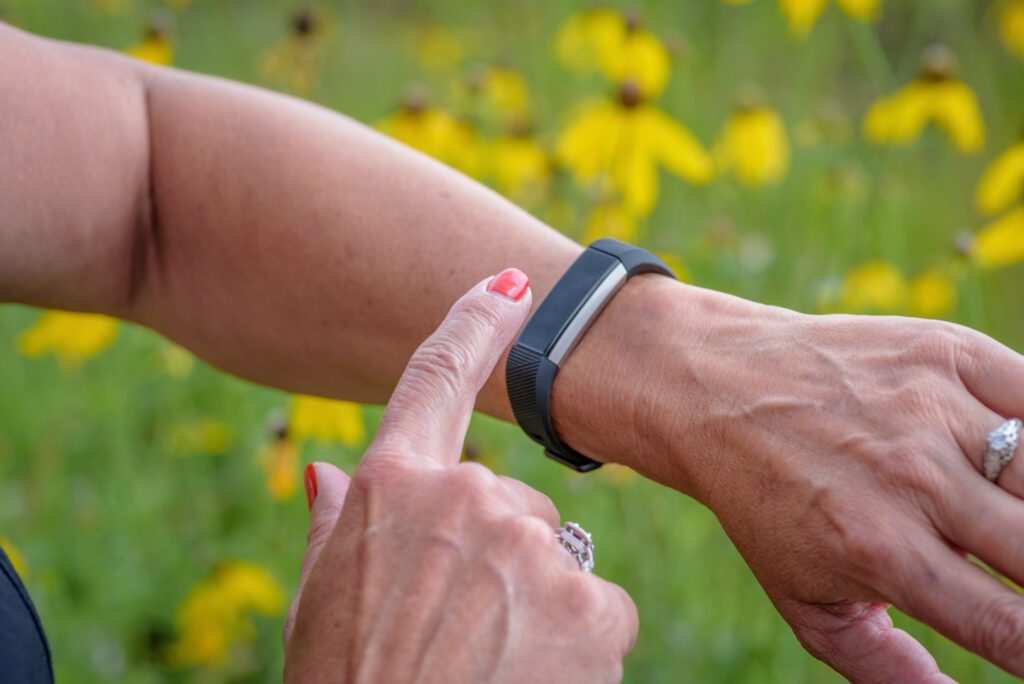
Another simple strategy is tracking your steps. Most smartphones or fitness trackers count your daily steps, and setting a target can be a great motivator. Instead of aiming for an unrealistic 15,000 steps, start with 7,000 to 10,000 per day and break it into short, manageable walks. Walk to the shop instead of driving, take the stairs when possible, or park slightly further away from your destination to add in a few extra steps.
Strategy 3 – Try Exercise Snacks
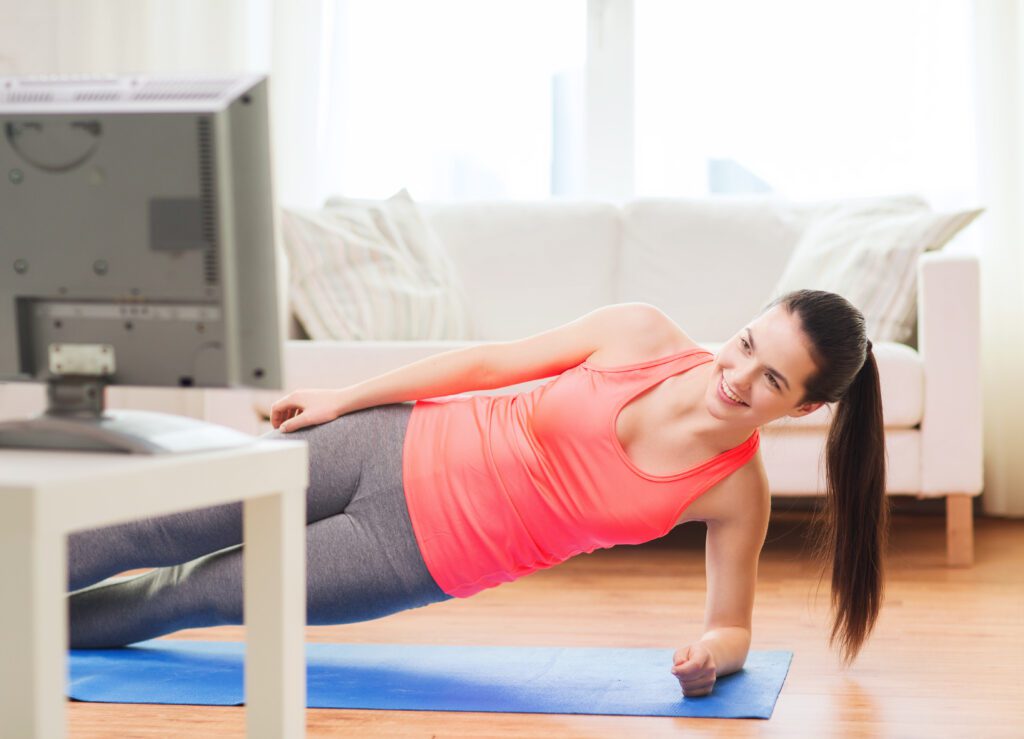
If you struggle to fit in a workout, consider incorporating “exercise snacks“- short bursts of movement throughout the day. Try doing a plank during TV commercials, stretching between work tasks, or a few push-ups while waiting for dinner to cook.
Strategy 4 – Make Sitting More Active
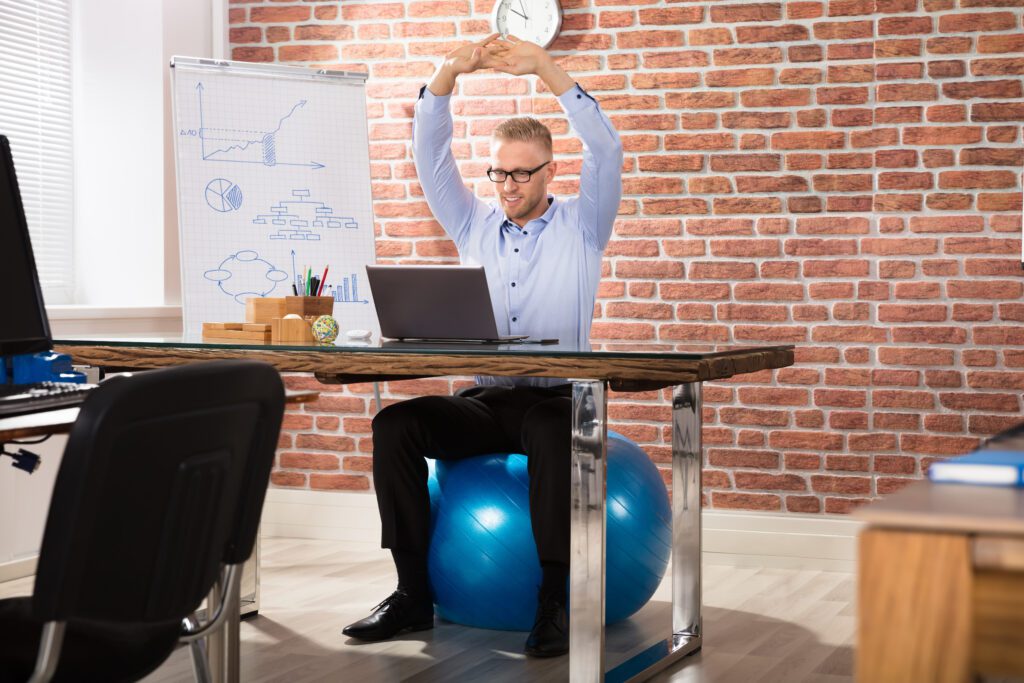
Even making sitting more active can have a huge impact. Using a standing desk for part of the day reduces the amount of time spent sitting, while sitting on a stability ball instead of a chair engages your core muscles without any extra effort. Fidgeting, stretching, or tapping your feet while sitting may seem minor, but studies show these movements can contribute to overall calorie burn.
Strategy 5 – Turn Daily Activities into Exercise
Many daily tasks are great for movement, we just don’t think of them as exercise. Cleaning, gardening, or organising your home all burn significantly more calories than sitting. Doing these activities more often can be a fantastic way to stay active. Playing with pets or young children can also be a fun and effortless way to move more. For example, chasing after them, lifting them, or running around with them keeps you engaged in movement without feeling like a workout. Another simple trick is to carry groceries in multiple trips instead of all at once, forcing your body to work a little harder. Try combining this strategy and with your step goal and you’ll be amazed at how many steps you can pick up.

Sample NEAT-Boosting Day (No Workout Needed)
Here’s what adding more NEAT can look like in a regular day might look like.
- Morning: Stretch and walk while brushing teeth, take stairs instead of elevator
- Mid-morning: Walk during phone calls, refill your water bottle more often
- Lunch: 15-minute post-meal walk, tidy your kitchen
- Afternoon: Fidget, stretch during breaks, deliver messages in person if working in an office
- Evening: Clean, dance while cooking, play with pets or kids, pace while texting
Making Movement a Habit (Without Thinking About It)
The key to long-term success is making the added movement automatic so you don’t even need to think about it. Start by making one or two small changes today, such as standing up more often, taking short walks, or incorporating movement breaks into your routine. Here are some tips on how to do it use habit design:
- Anchor movement to existing habits – stand up every time you get a notification, walk during coffee breaks, and pace while on the phone.
- Use visual cues – leave your walking shoes by the door or your fitness tracker on your desk as a nudge to move.
- Celebrate small wins –notice how good it feels after 30 seconds of stretching or 100 extra steps; this emotional reward strengthens the habit.
- Track streaks – use a calendar, app, or notebook to tick off days you move more. Missing one day is fine, just don’t miss two.
- Keep the bar low – commit to just 1 or 2 minutes of extra movement if you’re tired. That’s enough to preserve the habit.
Technically speaking, these movements will be intentional at the start as you build new habits; however, as time progresses, they’ll just become what you do. Please don’t overdo it straight away; allow yourself a month to establish a couple of new movement habits before introducing additional ones. Then you can keep building from there. As these small habits take hold, you’ll naturally find yourself moving more, having more energy and an enhanced sense of overall wellbeing. Within three months, your average metabolic rate will be significantly higher without even realising it.
Move More, Feel Better—No Gym Required
So, remember, you don’t have to love exercise to stay active and be healthy. By making extra small daily movements a habit, you can boost your metabolism, improve energy levels, and support your long-term health.
If traditional workouts haven’t worked for you, it’s time to shift focus. Think less about exercise, and more about movement. Whether you’re pacing while brushing your teeth or dancing while cooking, every little bit counts. Start today with one micro-movement, and let it build into a healthier, more active life.