

A good night’s sleep is one of the most essential pillars of health and beauty, yet millions struggle with insomnia, restlessness, or poor-quality sleep.
Sleep fuels your brain, immune system, mood, and long-term health. When it’s disrupted, the effects ripple everywhere: brain fog, stress, weight gain, and even a higher risk of chronic disease. While lifestyle habits are essential to supporting better quality sleep, supplements can also provide natural support for deeper, more restorative sleep.
The most well-known option is melatonin, the hormone your body naturally produces to signal bedtime. Melatonin supplements can be beneficial in some instances, such as alleviating jet lag, but they’re not recommended for everyday use. High doses may cause grogginess, vivid dreams, or even interfere with your body’s natural production, sometimes leading to rebound insomnia.
Fortunately, you don’t have to rely on melatonin as a range of natural supplements can calm the nervous system, reduce nighttime wake-ups, and help you wake feeling refreshed. In this article, we’ll explore the best evidence-backed options and how they work.
Magnesium Glycinate: The Relaxation Mineral
Magnesium is a vital mineral involved in numerous bodily functions, including muscle relaxation and nerve function. It supports the production of gamma-aminobutyric acid (GABA), a neurotransmitter that promotes calmness and aids sleep. Magnesium glycinate, a combination of magnesium and the amino acid glycine, is known for its high absorption and gentle effect on the stomach.
Research indicates a link between magnesium levels and sleep quality. A systematic review found that adequate magnesium intake is associated with better sleep patterns, including improved sleep duration and reduced daytime sleepiness.
While magnesium glycinate is generally safe, excessive intake can lead to digestive issues such as diarrhea. Individuals with kidney disease should consult a healthcare provider before supplementation, as impaired kidney function can affect magnesium levels.
Important – To help with sleep, ensure you’re purchasing magnesium glycinate, rather than another type of magnesium supplement, which may serve a different purpose. Furthermore, some types of magnesium are completely ineffective due to low absorption rates. However, magnesium glycinate is widely considered to be one of the most effective options and ideal for promoting better rest.

L-Theanine: A Natural Stress Reliever
L-Theanine, an amino acid found in tea leaves, promotes relaxation without causing drowsiness. It increases alpha brain wave activity, fostering a state of calm alertness, and enhances GABA production, which helps reduce anxiety and prepare the body for sleep.
Studies have shown that L-Theanine can improve sleep quality. For instance, research published in the Journal of Clinical Sleep Medicine found that supplementation with L-Theanine improved sleep efficiency and reduced sleep disturbances in individuals experiencing stress-related sleep issues.
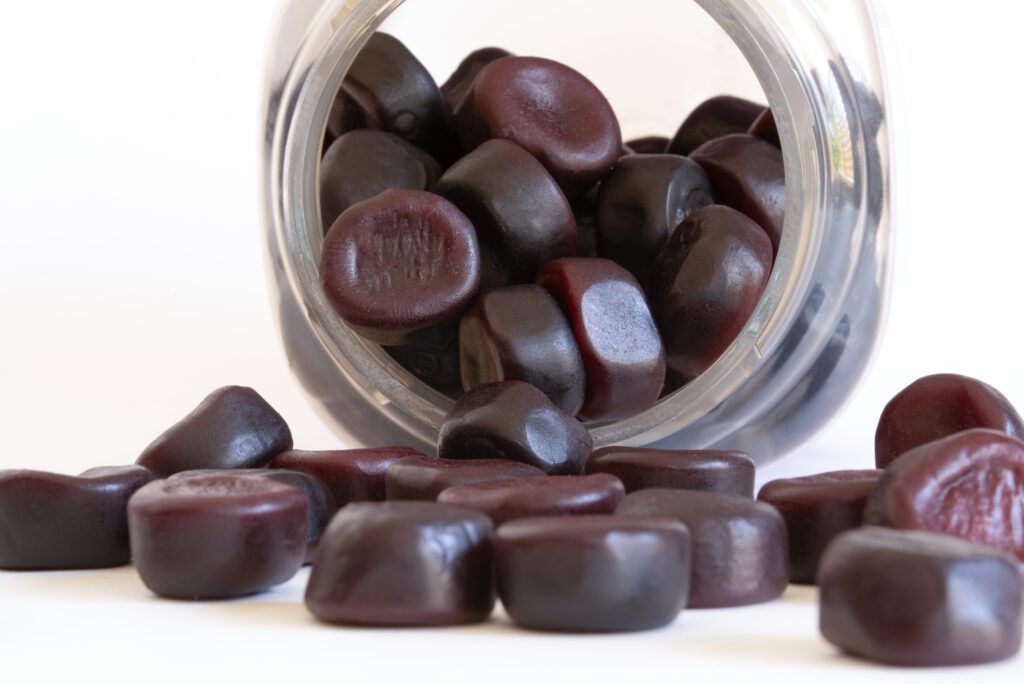
L-Theanine is generally well-tolerated, with few reported side effects. However, in rare cases, high doses may cause dizziness or headaches. A typical effective dose ranges from 100 to 400 mg, taken 30 to 60 minutes before bedtime. It’s also commonly available in gummy form, which makes it an easy and pleasant option for winding down in the evening.
5-HTP: The Serotonin Precursor
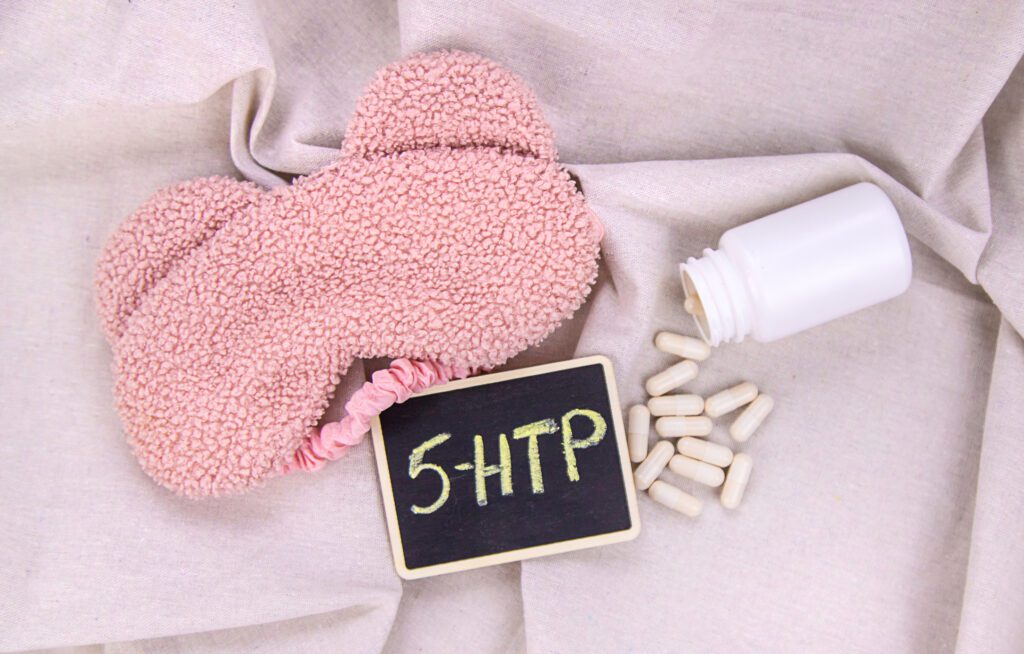
5-Hydroxytryptophan (5-HTP) is a compound that the body converts into serotonin, a neurotransmitter that regulates mood and sleep. Increased serotonin levels can lead to enhanced melatonin production, thereby improving sleep quality.
Research indicates that 5-HTP supplementation can positively affect sleep. A study in the journal Neuropsychiatric Disease and Treatment reported that participants taking 5-HTP experienced improved sleep duration and quality.
5-HTP should not be combined with antidepressants like SSRIs or MAOIs, as this can lead to serotonin syndrome, a potentially serious condition. Some individuals may also experience mild nausea or digestive discomfort when starting 5-HTP supplementation.
Ashwagandha: The Adaptogenic Herb
Ashwagandha (Withania somnifera) is an adaptogen that helps the body manage stress by reducing cortisol levels, the primary stress hormone. By promoting relaxation and reducing anxiety, ashwagandha can facilitate better sleep.
A double-blind, randomized, placebo-controlled study found that ashwagandha root extract improved sleep quality and helped manage insomnia. Participants experienced significant improvements in sleep parameters, including sleep onset latency and sleep efficiency.
Ashwagandha is generally considered safe for most people. However, it may cause drowsiness during the day if taken in high doses. Individuals with thyroid disorders or autoimmune conditions should consult a healthcare provider before using ashwagandha.

Tart Cherry Extract: A Natural Melatonin Source
Tart cherries (especially the Montmorency variety) are one of the few natural food sources of melatonin, the hormone that regulates sleep-wake cycles. They also contain high levels of anthocyanins and antioxidants, which reduce inflammation and oxidative stress, both of which can disrupt sleep quality.
Several studies have shown promising effects, and in one randomised controlled trial published in the Journal of Medicinal Food, adults who drank tart cherry juice experienced significant improvements in both sleep duration and sleep quality compared to placebo.
Although this article promised melatonin-free supplements, we decided to make an exception for tart cherry extract, as it provides a natural source, as opposed to the artificial melatonin found in high-concentration supplements. What’s more, it is generally safe and well-tolerated. Some people may find the natural sugar content of tart cherry juice a drawback, but capsules and concentrated extracts provide the benefits without extra calories.

Apigenin: Chamomile’s Gentle Sleep Aid
Apigenin is a flavonoid found in chamomile, often credited with the tea’s calming and sleep-promoting effects. It works by binding to GABA receptors in the brain, the same system targeted by prescription sleep medications, though in a far gentler way. This makes apigenin a subtle but steady aid for improving relaxation and sleep quality.
Research supports its benefits: a randomised, double-blind, placebo-controlled trial published in the Journal of Advanced Nursing found that chamomile extract significantly improved sleep quality in older adults who struggled with insomnia. Participants reported falling asleep more easily, waking less during the night, and feeling better rested in the morning compared to the placebo group.
Unlike more potent herbal sedatives such as valerian root, chamomile and apigenin are considered safe for long-term, daily use. They do not cause dependence, withdrawal, or next-day grogginess, making them a good choice for people who want consistent but gentle sleep support.

Your Blueprint For Restful Nights
For those seeking a melatonin-free approach to better sleep, the supplements highlighted in this article offer science-backed solutions that promote relaxation, reduce stress, and support the body’s natural sleep cycle. Each of these supplements works through a different mechanism, allowing for tailored supplementation to address individual sleep challenges.
However, supplements alone are not a cure-all. Pairing them with good sleep hygiene practices can further enhance their effectiveness. Sticking to a consistent bedtime routine, reducing screen exposure before bed, keeping the bedroom cool and dark, and using an eye mask or blackout curtains can all contribute to better sleep. Avoiding caffeine in the afternoon and practising relaxation techniques such as meditation or deep breathing can also support a more restful night.
By combining these supplements with healthy sleep habits, you can create a well-rounded, natural approach to achieving deeper and more restorative sleep without relying on melatonin supplements.