

You wake up on January 1st, ready to turn over a new leaf. This is the year you’re finally going to eat healthier, exercise consistently, and drink more water. You’re motivated, full of enthusiasm, and determined to make this work.
For the first couple of weeks, you stick to your plan. You avoid processed foods, you hit the gym, you go to bed early, and you stay hydrated throughout the day!
But then, life gets busy.
Work piles up, stress creeps in, and suddenly, all that motivation starts to fade into the background. One missed workout turns into three, a single takeaway meal becomes several, you swap your fancy new water bottle for a coffee mug and wine glass. Soon, you’re back where you started, frustrated and wondering what went wrong.
This cycle of motivation, action, burnout, and relapse is all too common. If you’re guilty of this, don’t worry, it’s not your fault!
The truth is that most people approach health and fitness with the wrong mindset. They try to rely on brute force willpower and short-term motivation instead of creating habits that make healthy living occur on autopilot.
Science consistently shows that the key to long-term health isn’t about forcing yourself to make the right choices every day—it’s about automating them through small, repeatable habits. This article explores why habits are more reliable than willpower, how they shape long-term success, and how you can start using them today to make healthy living second nature.
Why Relying on Willpower & Motivation Doesn’t Work
Willpower is often seen as the key to success, but it is a finite resource. As the day goes on, making decisions, resisting temptations, and handling stress gradually deplete our willpower. This concept is known as decision fatigue, a well-documented phenomenon covered extensively in the book Willpower: Rediscovering the Greatest Human Strength by Roy Baumeister and John Tierney.
Motivation is also unreliable. It comes in waves. It’s great when you’re feeling inspired, but it vanishes when you’re tired, stressed, or faced with unexpected challenges.
Perhaps some of these real-life failure examples sound familiar:
- The New Year’s Resolution Crash – You start the year determined to eat healthy and work out, but as motivation fades, old habits return.
- The “I’ll Start Monday” Diet Cycle – You restrict yourself for a few days, then binge at the first sign of stress.
- The Gym Membership That Never Gets Used – You sign up with the best intentions, but when life gets busy, workouts stop happening.
- The 30-Day Challenge That Leads to Burnout – You follow a strict plan for a month but fall back into old patterns once it’s over.
- The After-Work Snacking Spiral – You eat well all day but come home exhausted, and willpower is too drained to resist junk food.
If you’ve experienced any of these struggles, it’s not because you’re lazy or lack discipline. It’s because you were relying on willpower instead of building habits that make healthy choices effortless.

The Science Behind Habits and Health
Habits are the key to making lasting changes because they remove the need for constant decision-making. Once a habit is ingrained, you don’t have to think about it anymore — it just happens automatically.
But what exactly are habits?
They are routines formed through repetition and reward. They are small actions repeated consistently that rewire the brain to make them second nature.
Your brain favours habits because they conserve energy, reducing mental effort by turning behaviours into automatic actions. Once a behaviour becomes habitual, you no longer need to waste willpower debating whether to do it. It simply happens as part of your routine. This not only frees up mental energy but also creates consistency, ensuring that you follow through even on days when motivation is low. Over time, these small, repeated actions become second nature, making healthy choices effortless rather than a constant battle.
Research also supports this: A 2009 study published in The European Journal of Social Psychology found that, on average, it takes 66 days to form a new habit. Those who repeated a behaviour consistently during this period were far more successful in maintaining it long-term than those who relied on motivation alone.
For example, instead of debating whether to exercise, making it a set part of your morning routine means you do it automatically, like brushing your teeth. Even on days when you don’t feel like working out, the routine carries you through.
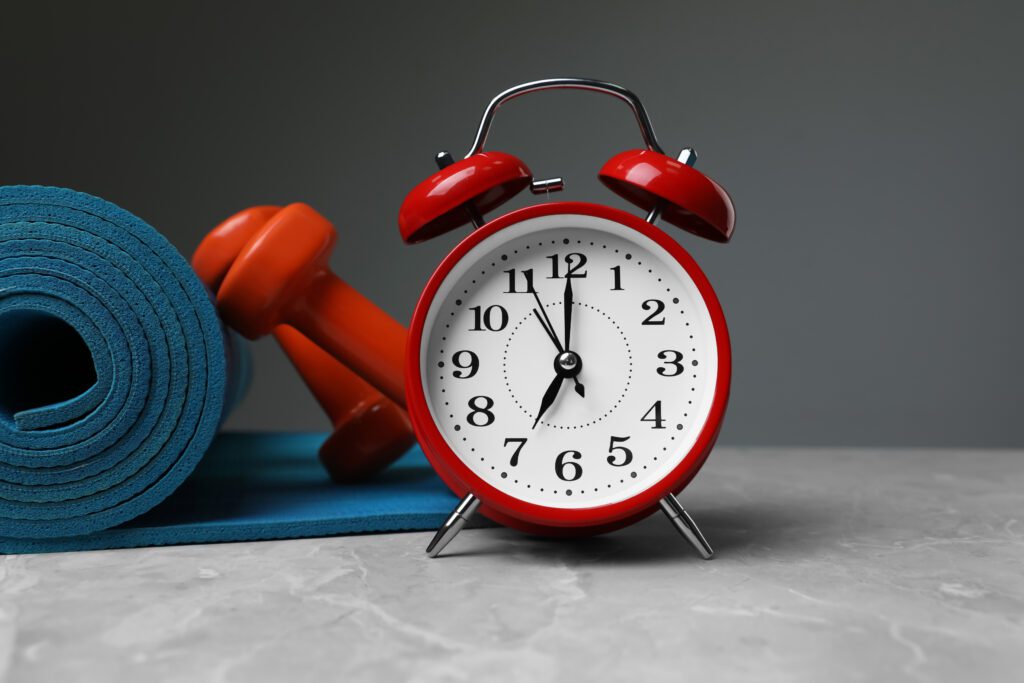
One great way to ingrain a habit like this is to leave a visual reminder to make the new habit both obvious and easy to follow. For example, you might leave some workout gear on your bedside table to remind yourself to work out first thing in the morning, this also removes friction as everything you need is right there in front of you.
How Focusing on Habits Fixes This
So instead of relying on motivation and willpower to make the right choices, shift your focus to habits to remove the mental effort from the equation.
For example, if you struggle with late-night snacking, creating the habit of prepping a healthy snack in advance ensures that it’s the first thing you reach for, rather than scrambling for junk food.
This same principle applies across different areas of health, where small, repeatable habits always outperform short-term bursts of motivation. Consider these opposing approaches and consider what would work better for you.
1. On Exercise
Motivation Approach: “I’ll go to the gym five times a week.” This works until life gets busy.
Habit Approach: “I’ll run (or walk) for at least 5 minutes before taking my morning shower.”
You can then gradually increase the time spent exercising, but the point is that a tiny action naturally grows into a routine. Eventually, you’ll do it like second nature, without needing motivation.

2. On Drinking More Water
Motivation Approach: “I’ll drink more water throughout the day.” This is easy to forget without a system.
Habit Approach: “I’ll drink a glass of water before each meal and coffee I drink throughout the day.”
By linking the goal to an existing habit, you make it automatic.

3. On Eating Healthier
Motivation Approach: “I’m cutting out all junk food.” This feels restrictive and hard to maintain, especially when you’re tired and hungry.
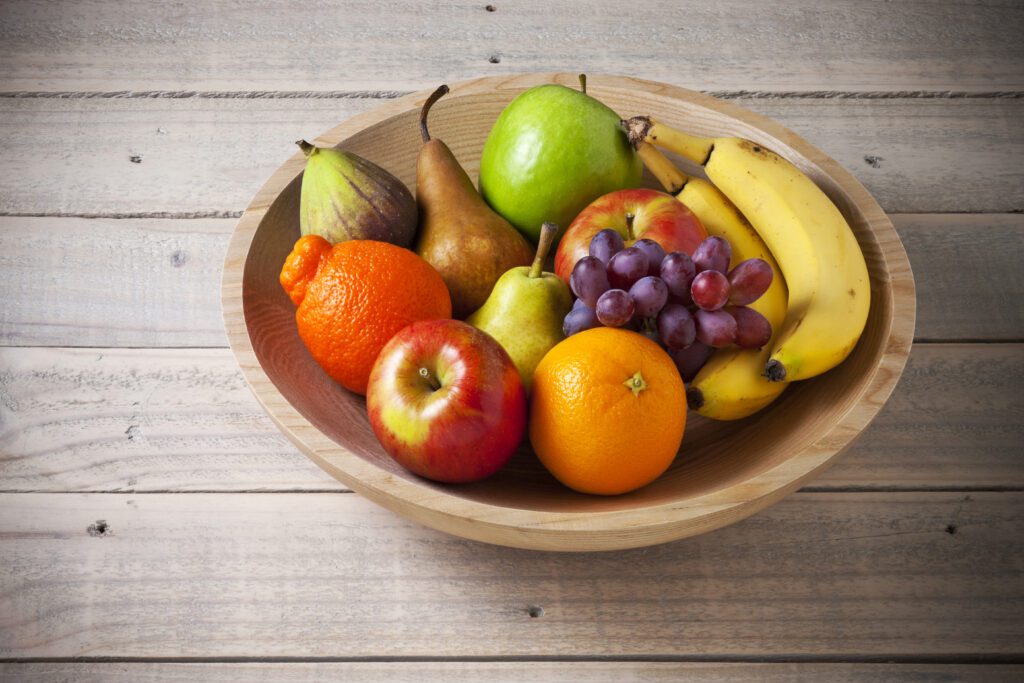
Habit Approach: “I’ll stop keeping junk food in the house and I’ll leave out a bowl of my favourite fruit.”
This is a small, sustainable change that decrease the probability of desiring junk food in the first place.
The exact examples listed above might not work perfectly for you personally, and that is totally fine. The key point here is not to try and overhaul your lifestyle overnight, but instead, to introduce tiny, manageable changes that naturally build momentum towards your goal.
Start Small & Maintain Early Momentum
In the early days of building any habit, momentum is everything. This is the phase where consistency matters far more than intensity. Your only real job is to show up, even if that means doing the absolute bare minimum.
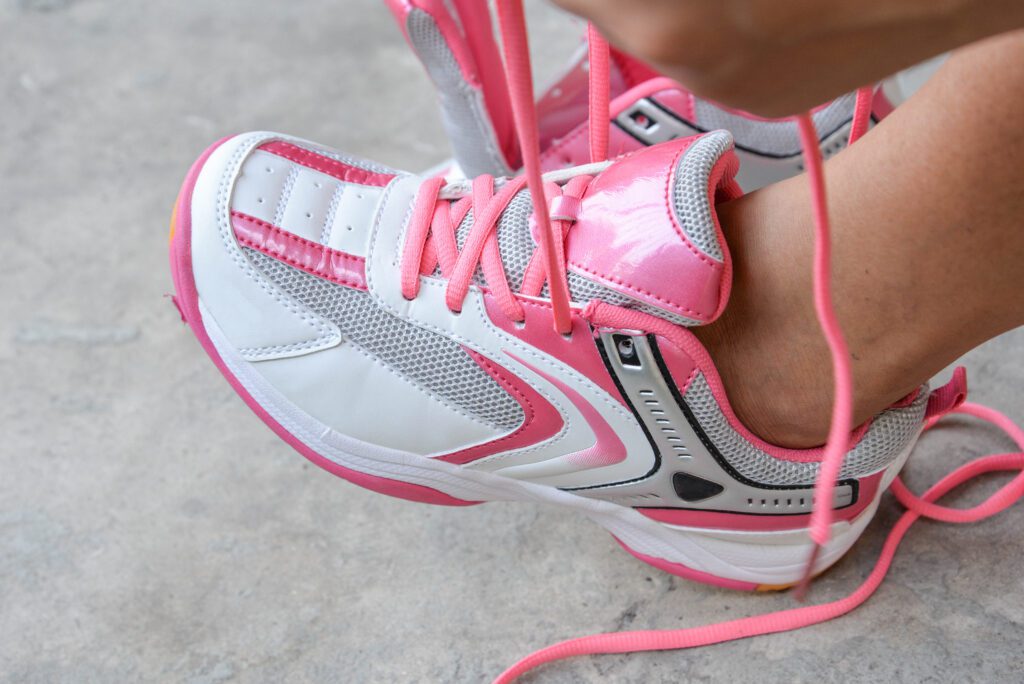
If your new habit is exercising first thing in the morning, then put on your workout clothes and commit to just one or two minutes.
That’s it.
The magic is, once you’ve started, you’ll often keep going and complete a full workout. But even if you don’t, you’ve still won. You’ve maintained the behaviour. You’ve reinforced the identity: “I’m someone who exercises in the morning.”
That repetition builds neural pathways. Over time, the effort shrinks, the friction disappears, and the habit clicks into autopilot. Momentum makes it stick.
Habits For Effortless Health
The most important takeaway from this article is that willpower and motivation can fade, but habits last. By focusing on small, consistent actions, you remove the mental effort from making healthy choices and create a lifestyle that feels natural and sustainable.
Building lasting habits is surprisingly easy, you just need to understand how they work. These techniques below are proven to give you the best chances of helping new habits form.
- Start tiny – When you’re starting something new, try to make the habit so small that skipping it feels harder than doing it. The initial goal isn’t to go big, it’s not even to achieve anything, it’s just to create the habit, which means doing something repeatedly. Do one push-up. Commit to a single minute of deep breathing. Just put on your trainers! Even if that’s all you do! A focus on micro-habits lowers resistance, builds momentum, and reinforces identity—I’m someone who does this. Build consistency first, intensity will come later.
- Link new habits to existing ones – Tie your new habit to something you already do every day. This creates a natural trigger and eliminates decision fatigue. For example: drink a glass of water after brushing your teeth. Stretch while your coffee brews. Take your probiotic with your first email. The smoother the handoff between habits, the more likely it sticks.
- Make habits enjoyable – If you dread the habit, you’ll ditch it. Choose forms you actually like: if you hate running, try walking, dancing in your kitchen, or yoga in bed. Pair the habit with something rewarding (like only listening to your favourite audiobook, podcast, or show while exercising). When it’s something you look forward to, consistency becomes effortless.
- Make it obvious – Use your environment as a cue. If it’s out of sight, it’s out of mind. Set your habit up where you’ll see it. Leave your journal on your pillow. Put your trainers by the door. Keep your supplements beside your mug. These visual triggers nudge your brain toward action without needing willpower.
- Design for success, not perfection – Don’t build habits that only work on your best day. Build ones that still work when you’re tired, stressed, travelling, or just over it. Create a low-bar version of the habit that you can do, even when motivation disappears. Because it will.
- Give it a why – A habit is more likely to stick when it’s tied to something meaningful. Don’t just “meditate every morning”—meditate to be a calmer parent, to reduce your cortisol, or to stop letting emails control your mood. Connect your habit to the version of you you’re becoming.
- Celebrate immediately – Reinforce the habit with a small moment of reward. This could be as simple as saying “yes” to yourself, smiling, or ticking it off your list. That micro-dose of dopamine tells your brain: this feels good, let’s do it again.
Give it a try this week. Think about what small habits you can start to help you towards your health and wellness goals.