
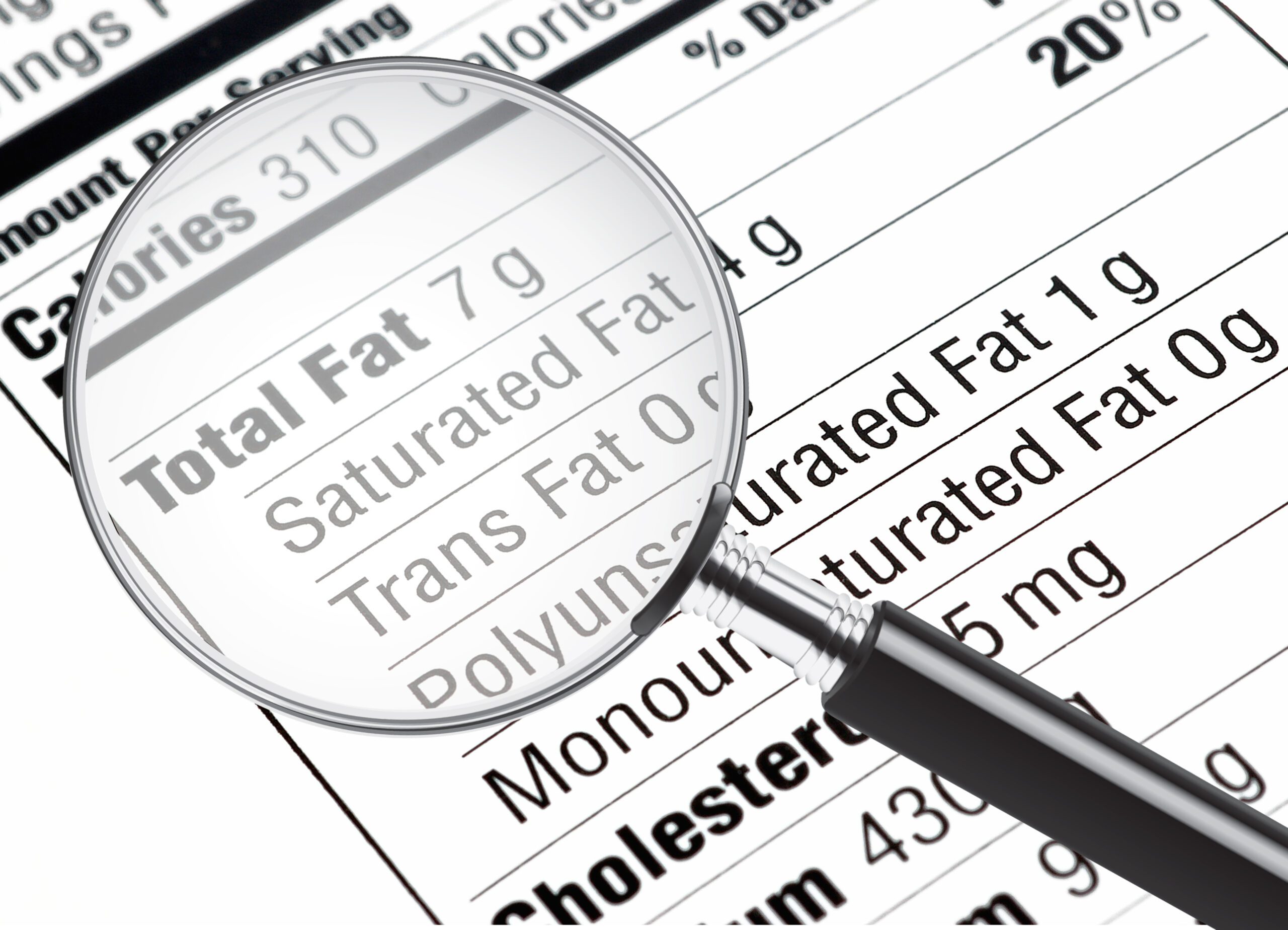
Ask five people whether eating fat makes you gain weight, and you’ll get five different answers. Some still avoid it like the plague, while others load up on buttered coffee and bacon in the name of keto.
No wonder people are confused.
It’s even more confusing when we examine the in-vogue diets of the past and present. For decades, fat was blamed for weight gain, heart disease, and just about every metabolic issue under the sun, leading to a low-fat craze and a surge in high-sugar, highly processed “diet” foods that often made things worse. Now, the narrative has flipped, and fat is back in fashion.
But what is the truth?
Like most things when it comes to dieting, the truth is more nuanced. Fat is essential for health, and high-fat diets can indeed support weight loss. But not all fats are created equal. This article cuts through the noise to explain what fat does in your body, how it impacts your weight, and what types (and amounts) of fat you should focus on.
What Is Dietary Fat?
Fat is one of the three macronutrients your body needs, alongside protein and carbohydrates. Unlike carbs and protein, which contain four calories per gram, fat is more energy-dense at nine calories per gram. That energy density once made it a dietary villain, but it’s also what makes fat an efficient fuel source. Of course, not all fat is the same; there are four main types of fat that you should be aware of.
Monounsaturated Fat
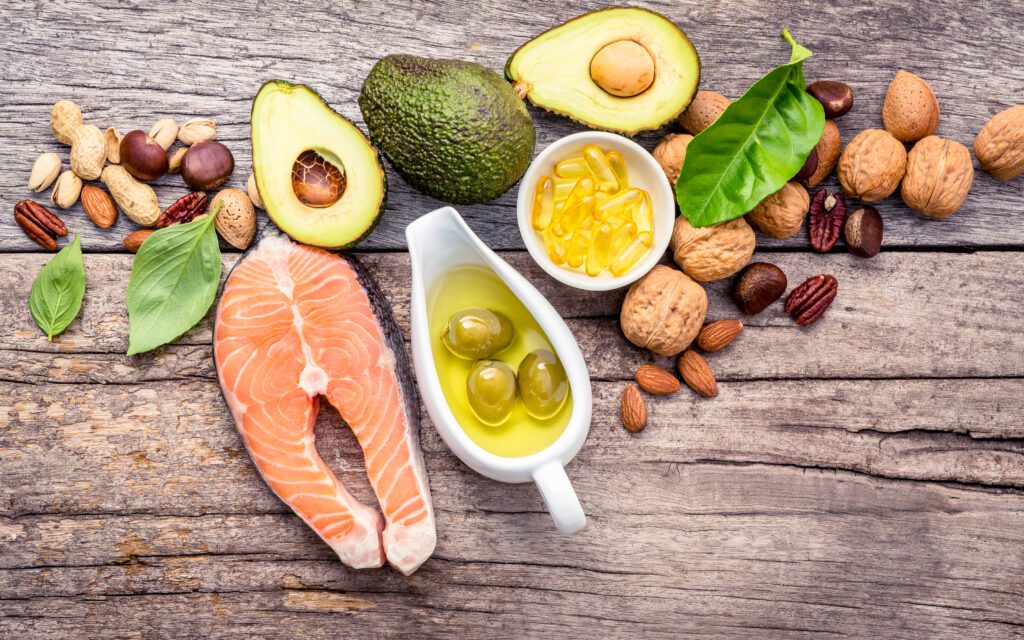
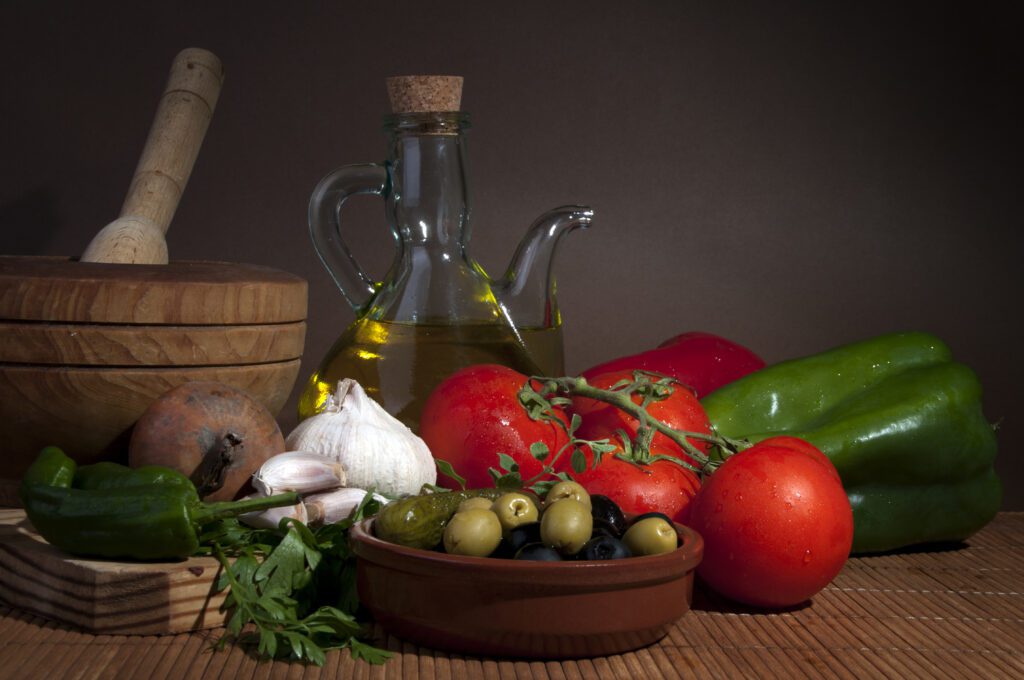
Monounsaturated fats are liquid at room temperature and are considered beneficial for heart health. You will find it in olive oil, avocados, and many nuts; research has shown that they can improve insulin sensitivity, reduce inflammation, and support cardiovascular health. These fats are central to the Mediterranean diet, which experts widely regard as one of the healthiest eating patterns, associated with lower rates of heart disease, better metabolic health, and improved longevity.
Polyunsaturated Fat
Polyunsaturated fats include omega-3 and omega-6 fatty acids. Found in fatty fish, flaxseeds, walnuts, and sunflower seeds, these fats play crucial roles in brain function, inflammation regulation, and hormone production. Omega-3 fatty acids in particular are essential for reducing chronic inflammation and supporting metabolic health. However, excessive intake of omega-6 fatty acids (common in processed seed oils) without sufficient omega-3s can lead to inflammation and other issues.
Saturated Fat
Saturated fats are solid at room temperature and are found in animal products, such as red meat, butter, and full-fat dairy, as well as in tropical oils like coconut oil. While long demonised, recent research shows that saturated fat in moderation, especially from whole-food sources, may not be as harmful as once believed. However, excessive intake, particularly when paired with a high-sugar diet, is still linked to cardiovascular risks.
Trans Fats
Trans fats are artificially created through a process called hydrogenation, and you’ll find them in margarine, baked goods, and certain fried foods. These fats are inflammatory, disrupt cholesterol balance, and are strongly linked to increased risk of heart disease. They are being phased out in many countries, but still appear in ultra-processed products.
Does Eating Fat Make You Fat?
Before we answer, it’s essential to note that fat is crucial for life. Our bodies require it for hormone production, including sex and adrenal hormones that regulate stress and metabolism. Essential fatty acids also support cognitive function, memory, and emotional regulation. Fat also helps you absorb fat-soluble vitamins (A, D, E, and K).
Now back to the big question at hand.
For years, the logic seemed simple: fat is dense in calories, so eating fat must make you fat, but that oversimplifies a complex issue.
The short answer is: an increase in body fat can only come from a sustained calorie surplus, not from consuming fat itself.
Fats can be more satiating than carbohydrates, leading some people to naturally reduce total food intake when they increase healthy fat consumption (which is the theory behind the keto diet). Studies on low-carb, high-fat diets show that for many individuals, these diets can lead to more significant fat loss than low-fat diets, due in part to reduced appetite, stable blood sugar levels, and hormonal effects. Indeed, one powerful benefit of a high-fat diet is that fat doesn’t spike insulin the way refined carbohydrates do. Lower insulin levels promote better fat burning and reduce fat storage.
However, fat-based diets only work when fat replaces other calories, not when it’s added to a high-calorie diet. Diets such as the Mediterranean, keto, and low-carb all utilise fat effectively, but success ultimately depends on maintaining a total energy balance. The idea is that by consuming more fat, you will be less hungry and eat less.
Does Types of Fat Matter
If you ask someone whether saturated fats are healthy or unhealthy, you’ll get significantly different answers depending on the dietary philosophy that person has subscribed to. Some blame them for heart disease; meanwhile, keto dieters will claim it is healthy to consume practically unlimited amounts of saturated fats as long as carbs are kept sufficiently low.
The truth is that saturated fats, when consumed in moderation and from high-quality whole-food sources (e.g., grass-fed beef, eggs, coconut oil), can be part of a healthy diet. Although the context in which you eat them matters, a diet rich in fibre, antioxidants, and whole foods can help mitigate some of the concerns associated with moderate saturated fat intake.
Some fats are universally considered to be helpful such as omega-3 fatty acids (which possess potent anti-inflammatory properties) and monounsaturated fats (which offer cardiovascular benefits and improve insulin sensitivity).
On the other hand, it is best to avoid trans fats entirely as they can increase LDL cholesterol, systemic inflammation, and the risk of heart disease. Processed seed oils, such as corn, soybean, and canola oil, are another concern. Although technically polyunsaturated, they are often highly processed and prone to oxidation, which can result in a pro-inflammatory omega-6:omega-3 imbalance in the body.
While weight loss can occur on a diet containing any fat, as long as you stay in a calorie deficit, the kind of fat you consume influences your health outcomes as outlined above.
How Much Fat Should You Eat?
There’s no one-size-fits-all answer, but general dietary guidelines suggest fat should make up 20–35% of your daily caloric intake. Of course, the exact percentage varies depending on your goals, body type, and level of activity.
Signs that you’re not getting enough fat include dry skin, brittle nails, low libido, irregular periods, poor concentration, and mood swings. A lack of fat means your body can’t produce hormones efficiently or absorb critical fat-soluble nutrients, leading to both physical and mental symptoms.
That said, it’s also easy to overconsume fat, especially in the form of calorie-dense foods like nuts, oils, and cheeses. This “healthy fat creep” can easily push your calorie intake beyond your needs, hindering weight loss. If you’re following a high-fat diet, remember to track your calories and not let it dominate every meal. Think of fat as a support player, not the lead role.
Fat Loss Isn’t Just About Fat
While fat can support a healthy metabolism and sustainable weight loss, it’s not the only factor that matters. The key consideration is the balance between total calorie intake and expenditure. Although other important factors, such as macronutrient balance, protein sufficiency, physical activity, sleep, and stress, all play significant roles in body composition.
Some people thrive on high-fat, low-carb diets and feel fuller for longer. Others may find that fats don’t fill them up as much, leading to accidental overeating. The key is personal experimentation and mindfulness around portion size and food combinations. For example, fat from whole foods, such as avocados or salmon, is generally more satiating and less likely to be overconsumed than fat from ultra-processed foods, like cookies or fried snacks.
Eat Fat, But Eat It Smart
So, while fat can help you lose fat, it only works when the rest of your lifestyle supports that goal. Don’t fear fat, but don’t expect it to do all the heavy lifting either.
When consumed mindfully, fat can fuel your brain, balance your hormones, and support a healthy metabolism. Choose the right fats from whole-food sources, be mindful of your portion sizes, and focus on overall dietary quality. Ultimately, it’s about nourishing your body in a way that works for you.